Make a little
room for the day.
Thoughtful plans for places to go, things to notice and the pleasure of coming home.
Explore the journal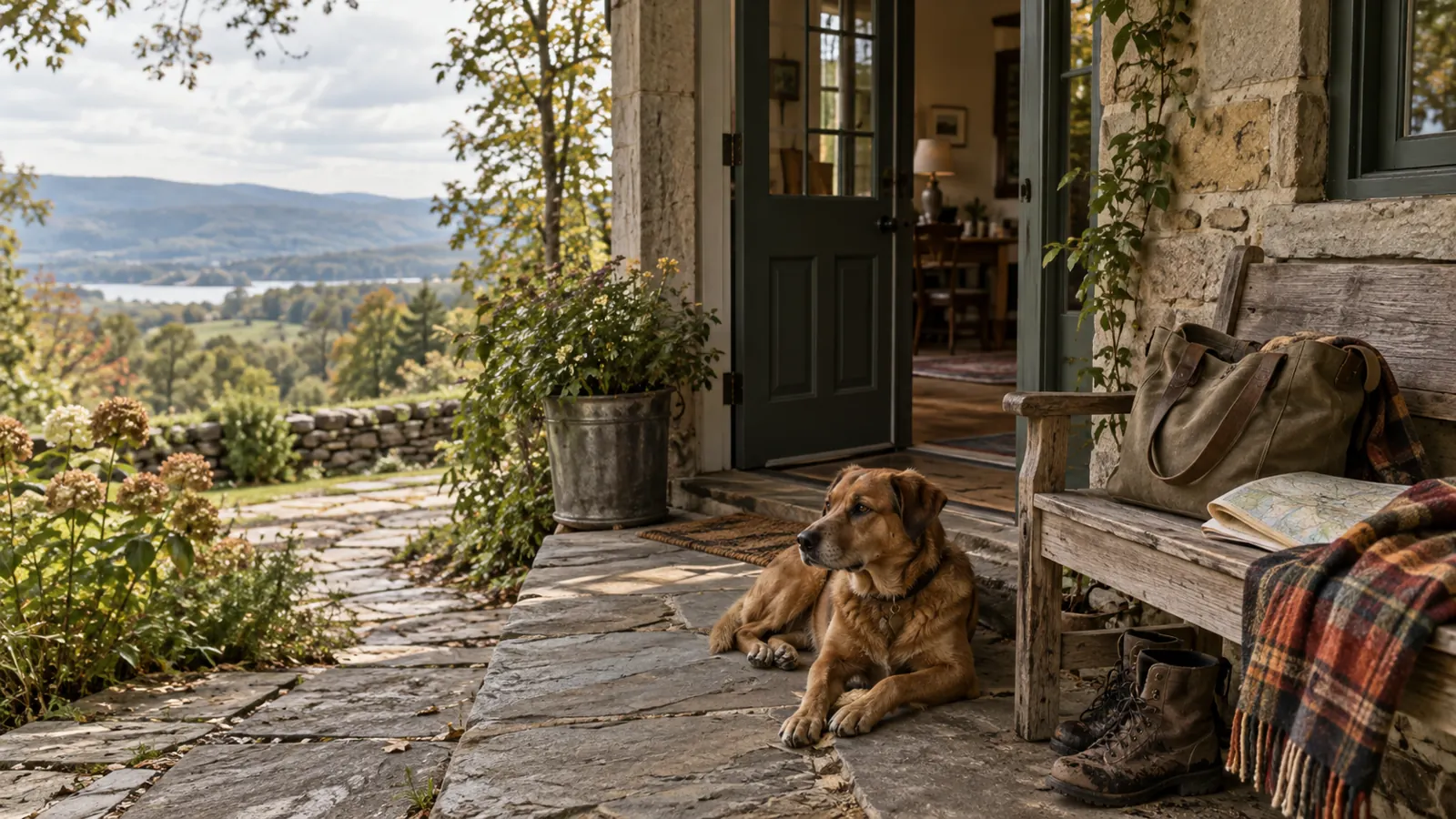
Not every weekend needs a grand itinerary.
We make room for the ordinary adventures that fill a life: a good walk with the dog, a concert that begins before the first song, a city afternoon with no need to see everything, and an unexpected day at home when the weather changes. The Hamilton Doghouse is an independent editorial home for those moments.
The name is a little playful on purpose. A doghouse is a place to come back to; Hamilton sounds like a place on the map or a name on a door. Together they suggest an open house for curious people who like to step outside, pay attention, and return with a story. Some of our notes include dogs. Many are simply about being out in the world with more ease.
Our guides favor questions you can use. Where is the real entrance? What can come through the door? Is the beautiful route comfortable for everyone coming along? What is the easiest way home? We cannot settle a venue's changing rules for you, but we can help you ask the right things before the day begins.
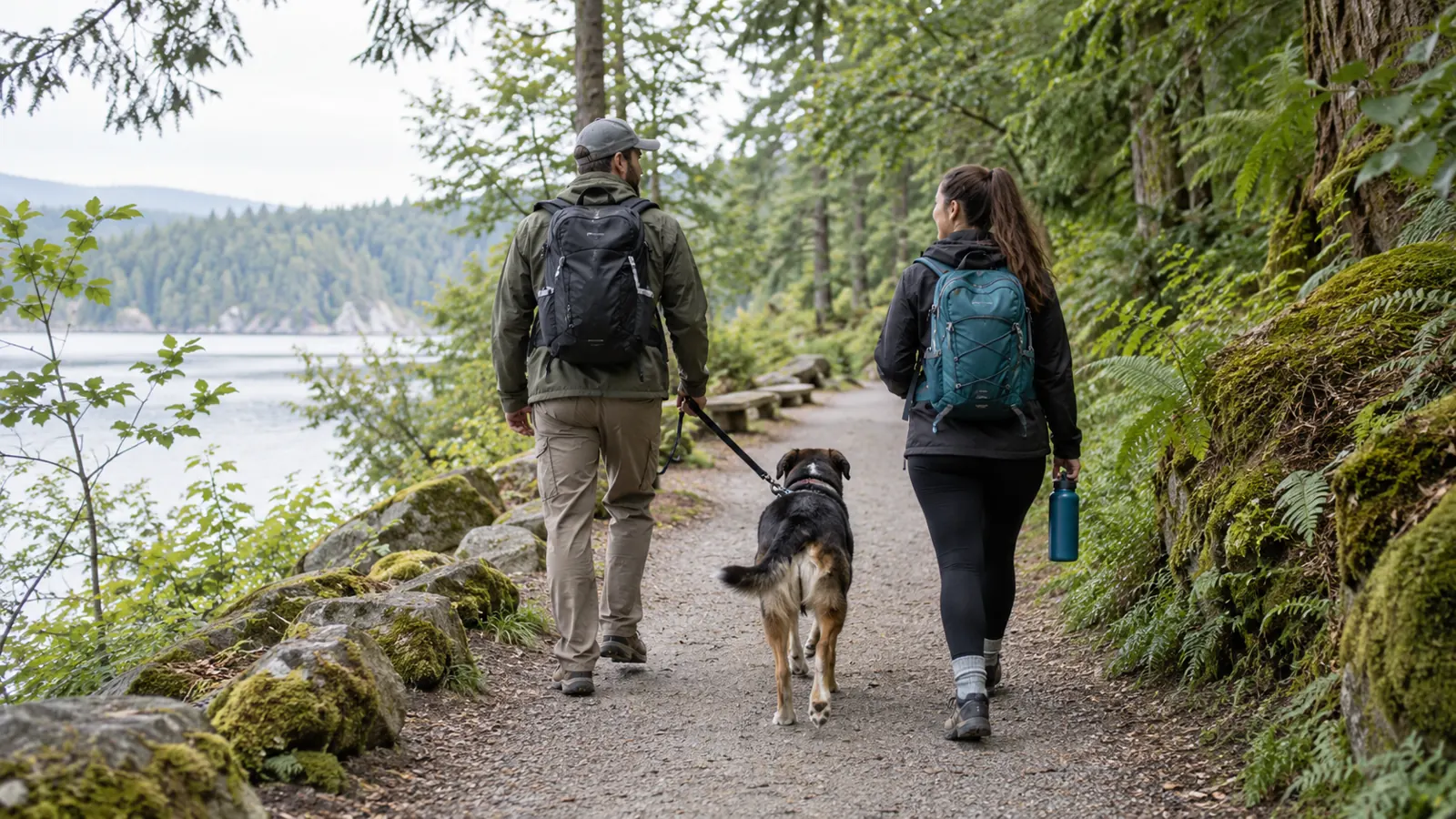 OutingsA Better Day Out With Your DogA dog-friendly outing works best when the route, weather and return trip suit the dog you actually have. Build a flexible day with room to turn back.Read story
Pick a turnaround point before setting out. A route is easier to enjoy when leaving early is already part of the plan.
Outside first.
Inside too.
We like full afternoons and quiet evenings equally. One makes room for the other.
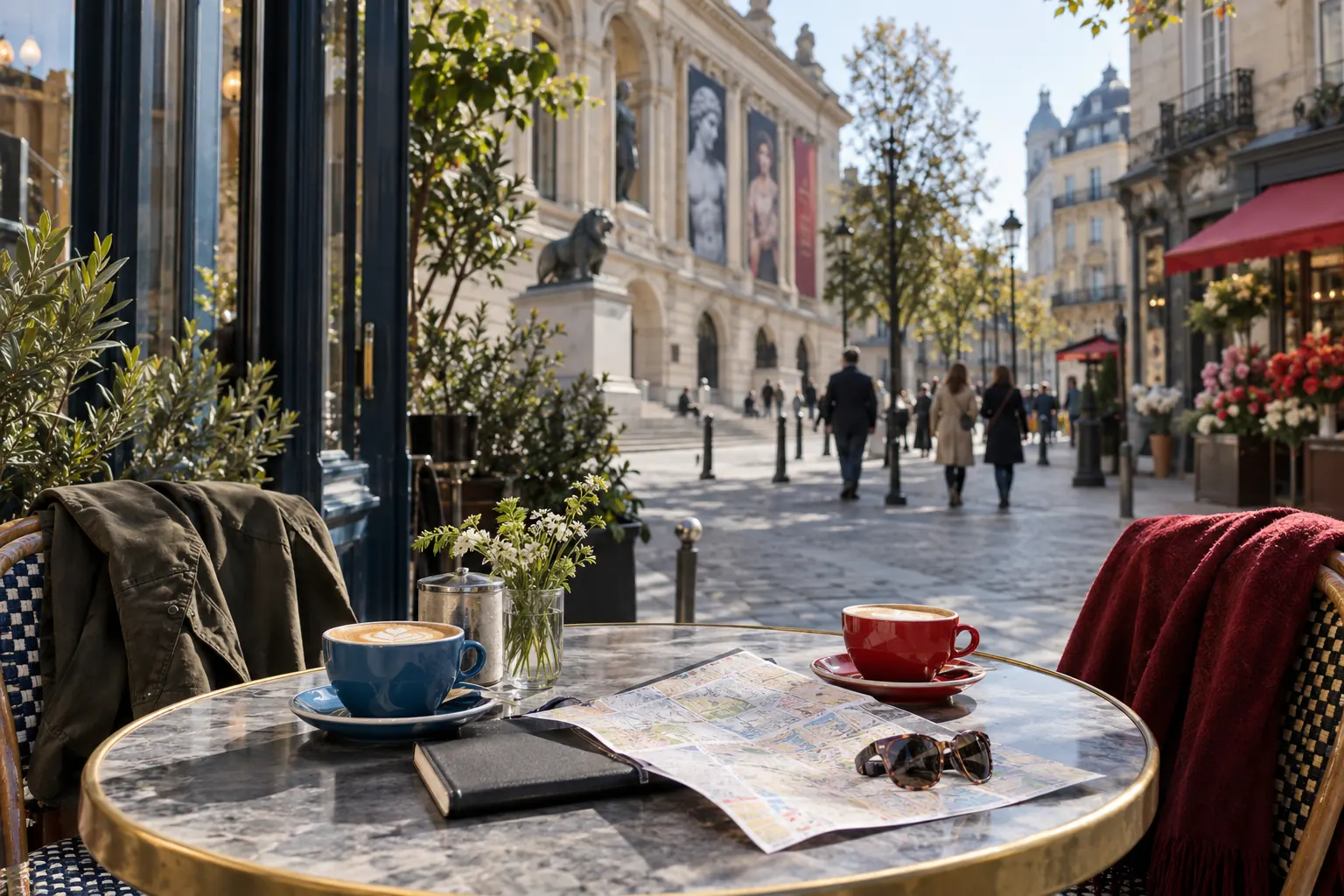 OutingsA Slow City Day With One Good PlanA city day feels richer when one destination anchors it and the rest of the afternoon has room to breathe. Here is a flexible itinerary.Read story
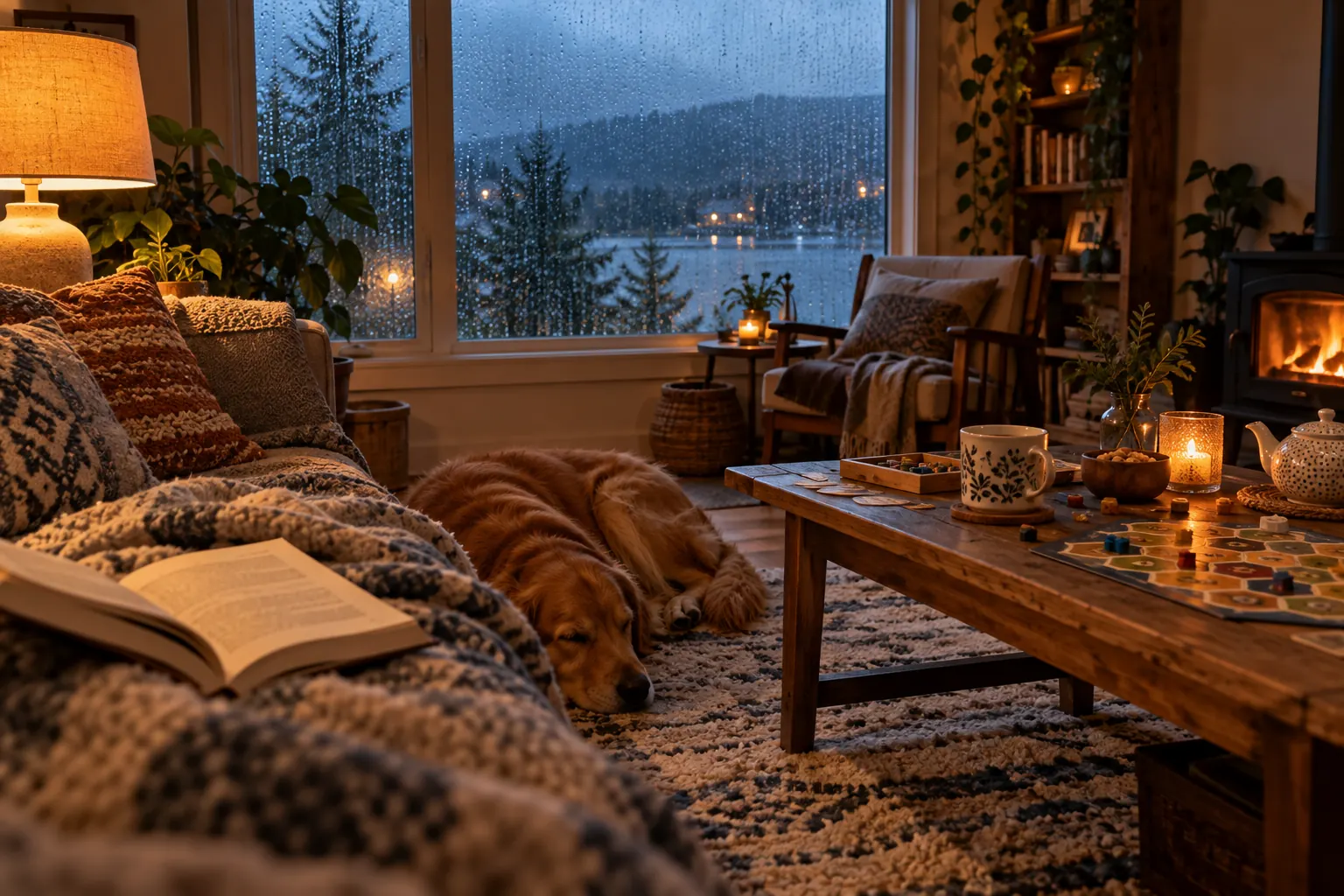 At HomeRainy-Day Rituals That Make Staying In Feel GoodA wet forecast can be an invitation to recover. Set up the room, choose one satisfying activity and let the afternoon stay open.Read story
Before you close the front door
The nicest outings tend to have modest preparation behind them. For a show, check the venue and event pages before you decide which bag to carry. For a day in a new neighborhood, find the first stop and an easy route home. For a walk with a dog, consider shade, surface and energy before distance. A ten-minute check is often worth more than an elaborate spreadsheet.
A plan should make the day easier to inhabit. Write down what can actually spoil it: a missed door time, a lot that closes early, a dog who becomes tired in a crowded place. Solve those few problems. Leave the rest open to chance. The point is not to prevent every surprise; it is to have enough margin to enjoy a pleasant one.
If you are going to a ticketed venue, the two questions that most often matter are where you enter and what you can bring. Policies vary, so read the official event information. Our own arrival checklist walks through the practical sequence from doors to the journey home.
 EventsBefore the Show: A Calmer Arrival PlanThe best evening starts before the first act. Work backward from doors, check entry rules and leave breathing room for the trip.Read story
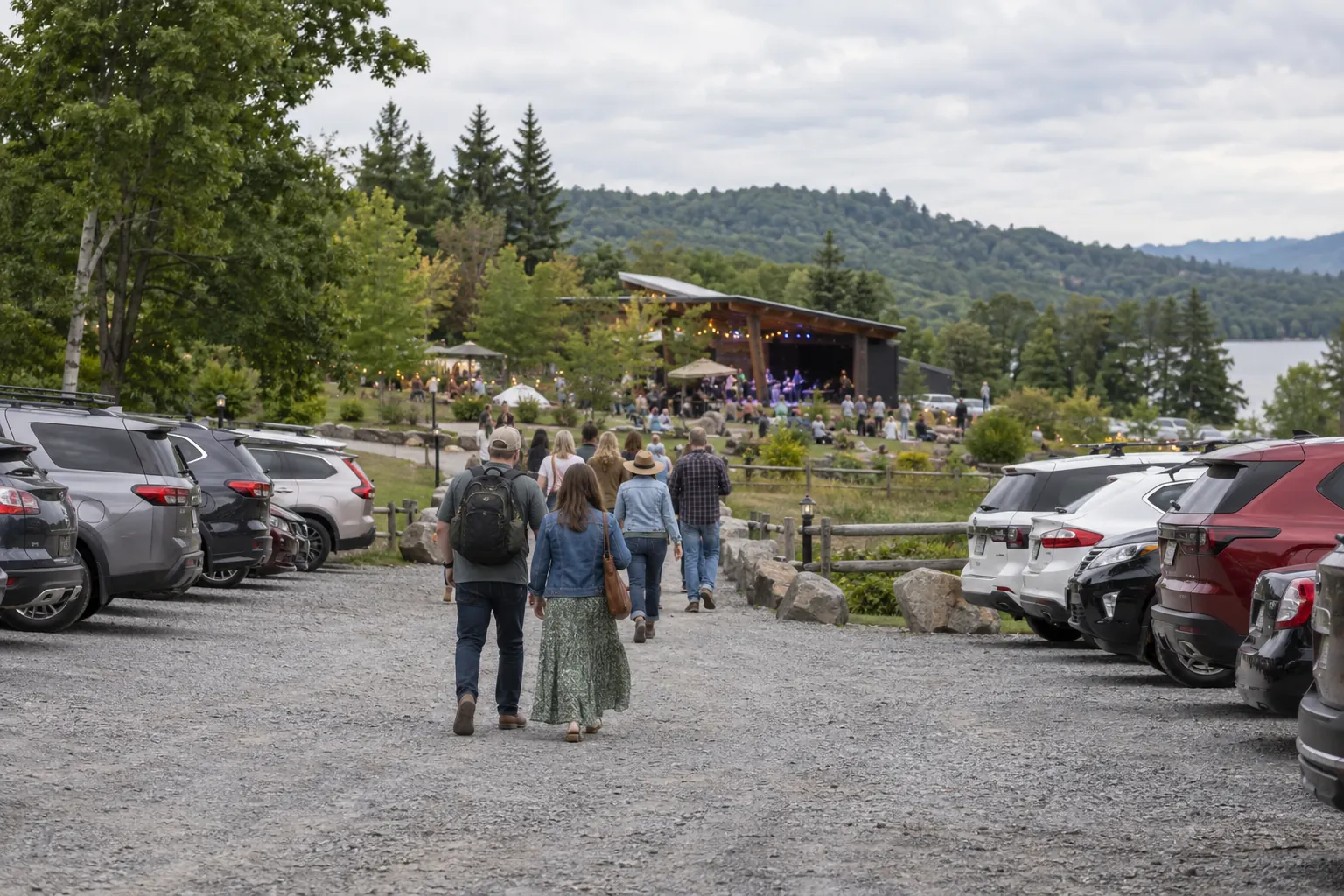 EventsParking Before an Event: The Decisions That MatterCompare official lots, walking routes and exit plans before you reserve. A cheaper space is not automatically the easier night.Read story
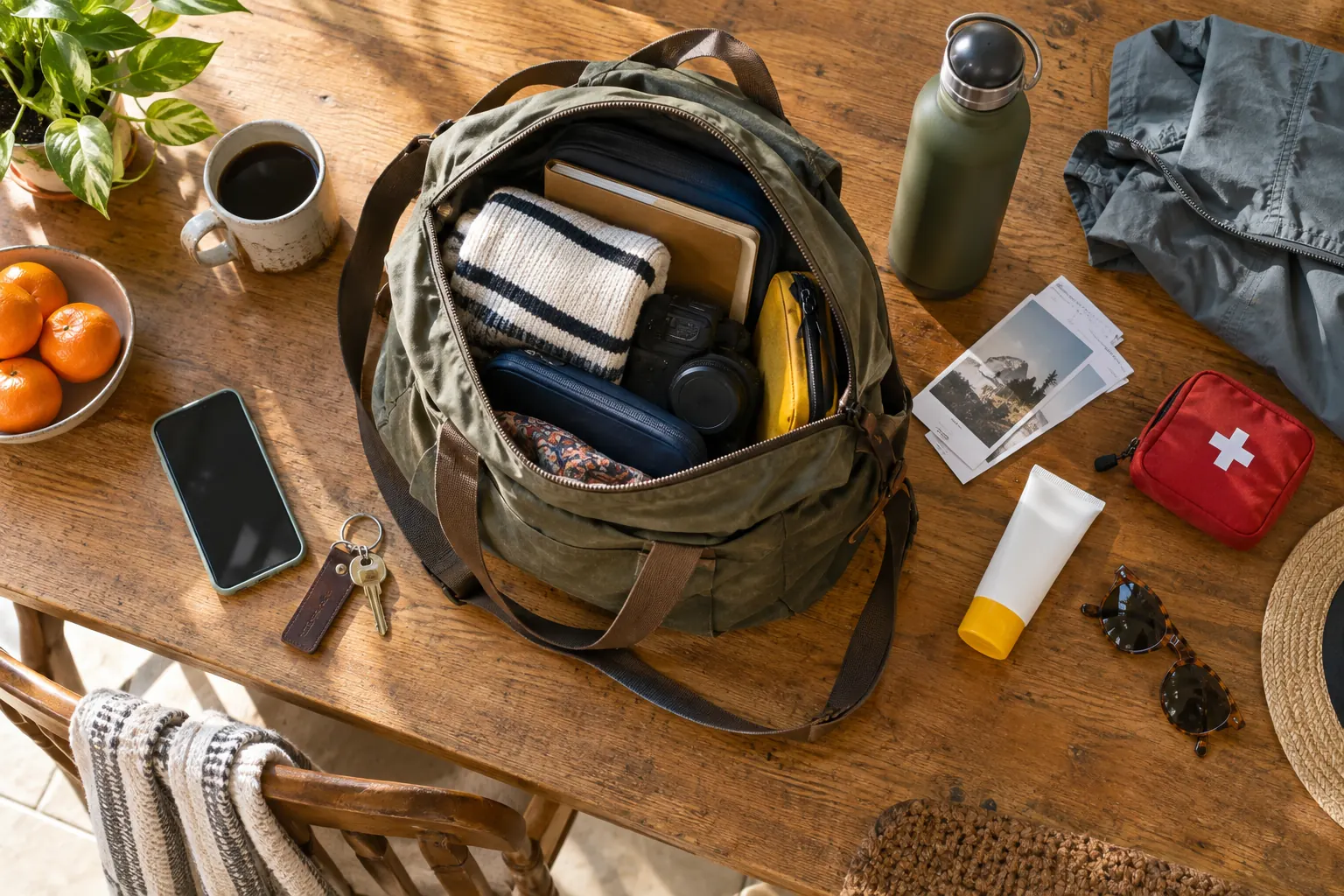 Practical GuidesThe Day-Bag Edit: Carry Less, Need LessA useful day bag solves a handful of likely problems without weighing down the day. Pack for the actual destination, weather and entry rules.Read story
Coming home is part of the outing, though most itineraries end at the last stop. A dog shakes off the trail. The shoes go by the door. Someone remembers a line from the show while dinner is heating. If the day was busy, that slow return can be when you finally notice how you feel about it.
You can keep a small trace of the day without turning it into a project. Write one sentence about something you noticed. Save the name of a cafe you would visit again. Check whether the walk felt comfortable for everyone who joined. That is enough. You are building a useful memory of your own preferences, not an archive for public approval.
Sometimes what stays with you is stranger. A vivid dream after a crowded weekend may bring back a place or an emotion in altered form. It does not need a fixed interpretation. Our gentle reflection on weekend dreams offers questions to ask without pretending an image has one universal meaning. A quiet afternoon after an outing may offer a similar chance to listen to yourself.
And sometimes the best possible plan is to stay home. Rain at the window, a simple meal and a dog sleeping on the rug can be a complete day. Our rainy-day rituals are small suggestions, not a demand to turn rest into another accomplishment.
Useful details, clearly checked.
Our editorial notes combine practical reasoning with links to the places that control the details. An event venue sets its own entry policy. A parking operator sets its prices and hours. A park decides where pets may go. When those facts matter, start at the relevant official source and confirm again shortly before your visit.
Independent guides can help you form a checklist, but they cannot promise that a policy has stayed the same. We link to outside resources when they help readers make a decision, not to decorate a paragraph. We also link between our own stories when the next piece answers a natural follow-up question. Our editorial policy explains how we handle sources, corrections and changes.
The Hamilton Doghouse is intentionally small in scope. You will not find invented first-hand visits, anonymous expert quotes or a claim that every plan works for everyone. You will find practical questions, clearly framed choices and permission to make the day your own.
Start somewhere
small.
Choose one story. Make one useful check. Then step into the day with room for whatever happens next.
Browse all seven stories ↗Four ways to begin.
Follow the comfortable route
A dog-friendly place is only as good as the day your dog can have there. Check the exact path, the weather and the ride home. A short walk with time to sniff can be more generous than a long march toward a viewpoint. Pack water, keep a leash handy and let your companion's pace guide the visit.
Think about the human company too. Is there a place to sit? Will someone need a shorter route? A flexible plan protects the friendship as much as the outing. We wrote the dog day-out field guide for precisely these small choices.
Make arrival feel easy
A good show is more enjoyable when the evening does not begin in a queue you joined by mistake. Look up the correct entrance, door time and bag rule. Save your ticket in the format the venue accepts. If you drive, understand the walking route from the lot and how you will leave after the crowd spills out.
These details need the current venue and event information. An old photograph or a friend's memory is a starting clue, not a guarantee. Our concert arrival guide works backward from the moment you want to be inside.
Let one place be enough
The nicest city visit may be a museum room you return to twice, followed by lunch at a table you never meant to find. Choose one anchor and keep the rest close by. Check opening times before you leave, then let the neighborhood supply an unplanned turn.
Leave a blank hour between commitments. It absorbs traffic, a longer conversation or a stop for coffee. If nothing delays you, it becomes time to notice the street. The slow city-day itinerary shows what that gentle structure can look like.
Allow the day to land
After a busy trip, putting a few things away can help you recognize that you are home. Wash the travel cup, dry the dog's paws, write down a detail you want to remember. Then let the evening stay ordinary. A plan can end with rest rather than one more attraction.
If the weather changes before you leave, that quieter chapter might become the whole day. Our rainy-day ideas favor activities that feel pleasant without turning the house into a project.
Good advice leaves the choice with you.
Travel pages often sound certain because certainty is easy to write. A real day is more particular. The person beside you may need more rest. An event can change its entrance. A dog may decide after twenty minutes that a trail is quite enough. Good advice should help you notice those signals and choose well, not ask you to defend a fixed itinerary.
We try to make that distinction clear. A suggestion to leave time for a walk is our editorial judgment. An assertion about a particular lot's operating hours would belong to the parking operator, and we would want you to verify it there. A list of common things people pack for a show is a prompt; the event's official policy decides which ones can come through the gate.
We also know that a useful day can cost very little. A familiar neighborhood seen at a slower pace, a shaded path near home and a meal made from what is already in the kitchen are all worth writing about. Our stories do not assume a car, a new piece of gear or a schedule built around buying things. When a ticket, reservation or drive is part of the plan, we try to help you decide whether it earns its place.
Consider this publication a shelf of field notes rather than a list of instructions. Open the story that matches your next real decision. Adapt the details to your own group. If something changes, make a smaller plan. Most memorable afternoons have some give in them.
A plan you can
actually use.
Start with the parts you can answer. Let the rest be discovered on the day.
Who is this day for? The answer may be you alone, a friend who likes to wander, a child who needs breaks or a dog who enjoys quiet paths. Choose the activity after considering the people and animals who will share it. That ordering can save an afternoon from becoming an exercise in compromise made too late.
What is the one thing you would be sorry to miss? Make that the anchor. If a concert is the anchor, resolve tickets and arrival first. If the meal is the anchor, choose a neighborhood with a comfortable way to get there. If all you want is fresh air, do not burden the walk with several errands. A clear priority lets other plans remain optional.
Where does uncertainty matter? Opening hours, ticket rules, parking access and pet permissions deserve a current check from the responsible source. A vague possibility of drizzle may only call for an extra layer. The difference is useful: spend your attention on the unknowns that could change your decision, then let smaller unknowns stay open.
How will you leave? Knowing when and how to return is an act of kindness to the whole group. Check the last train, the garage hours, the route back to the car or the dog's remaining energy. The easiest exit often makes it possible to stay present during the outing itself.
Finally, what would count as enough? Perhaps seeing one room at the museum, hearing the main act, reaching the first bend in the trail or having a friend over for soup. Give the day a modest version that would still feel good. You can always do more, but you should never have to do more to declare it worthwhile.
There is always another day.
We hope you find an idea here that fits the life you have this week. It might be a show you already booked, a short walk you can take after work or a Saturday with no need to leave the house. Start with the story that matches your next decision, then put the screen away when you have enough to go on.
A useful guide does not have to accompany you all afternoon. It should let you make a choice with confidence and return your attention to the people and place in front of you. If something we publish could be clearer, tell the desk when the site's contact channel is configured. A small independent publication gets better by listening carefully to the questions people actually bring.